Our Colours: Freedom at Sea, Division on Land
01-06-01
“The most effective way to destroy a people is to deny and obliterate their own understanding of their history”
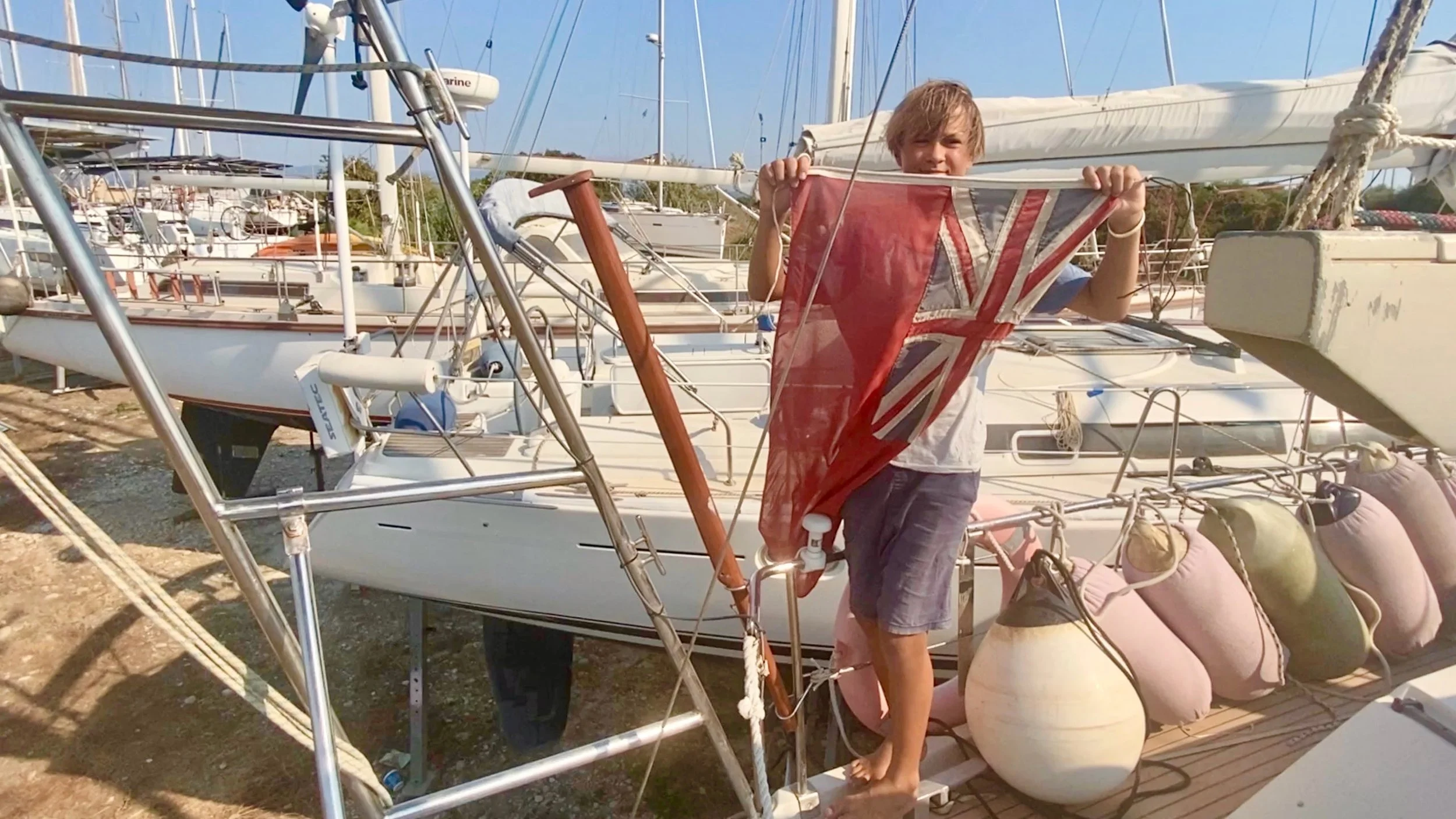
Yewan removing our faded Red Ensign after completing our circumnavigation
Last Remembrance Sunday I did something I haven’t done for a while. I went to church with the boys. I’m not a believer, but I do believe village life is worth supporting, and so much of what we call “British culture” still sits on old Christian foundations whether we like to admit it or not. So every now and then I show up, drop a few quid in the collection box, belt out a hymn or two and nod at the stone arches and the thousand-year echo of where we came from.
Afterwards we wandered over to the village library to sign yet another petition to prevent it being closed (another great British pastime) then joined the crowd at the war memorial. Small village, big turnout; Jerusalem ringing out under the service flags fluttering in the autumn sea breeze.
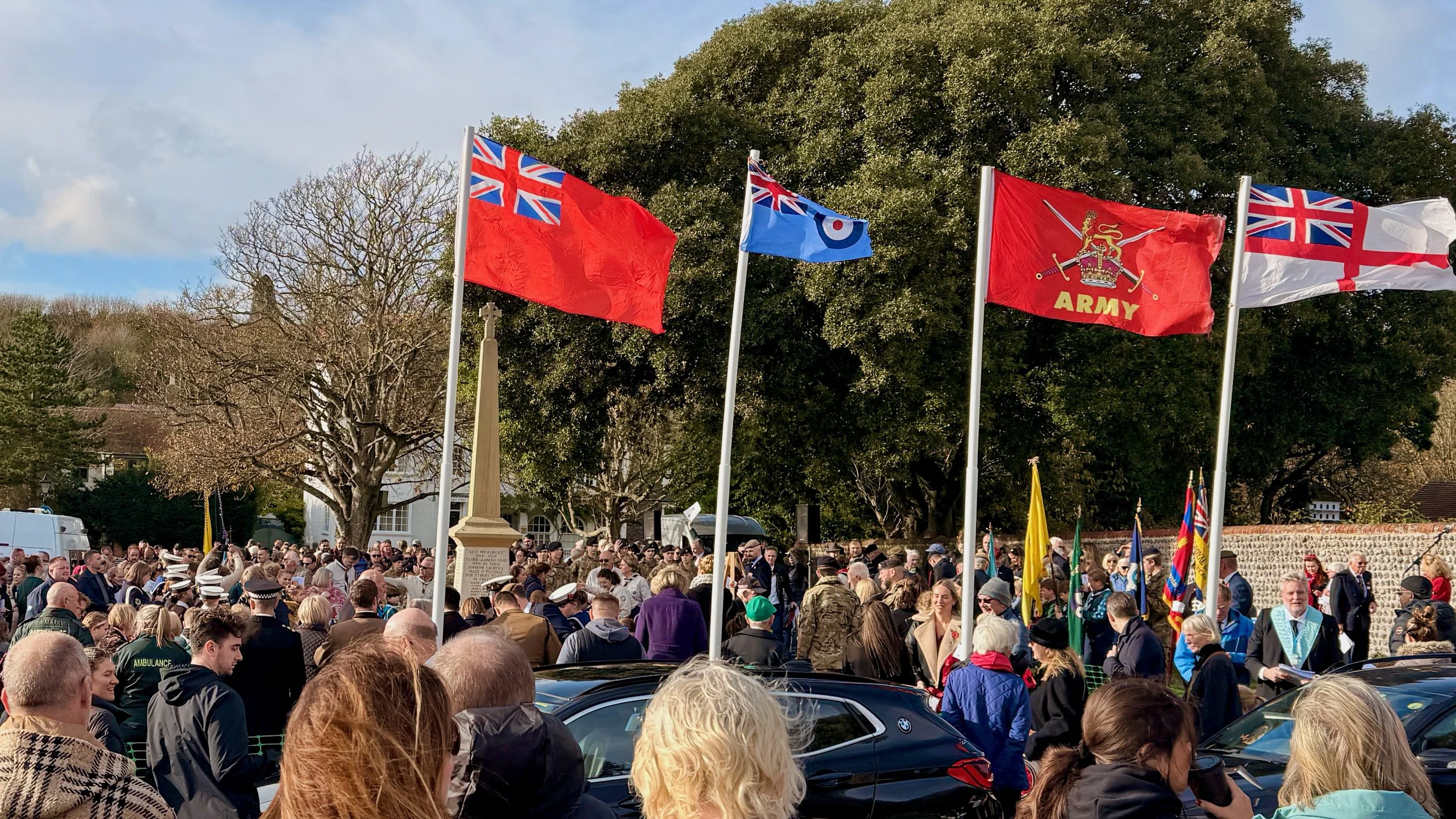
We joined the crowd at the war memorial, under the service flags fluttering in the autumn sea breeze
Dunkirk in the Blood
There’s always a moment, usually when a veteran kneels to place his wreath and a young cadet helps him back up, when the bottom lip needs some managing. Because I always think of my old Grandad, and the flotilla of civilian boats that pushed off from the south coast, a stone’s throw from where we stood, into mortal danger to pull him and his brothers-in-arms off the beaches of Dunkirk across the Channel.
One of my most treasured possessions is a wooden Spitfire he carved while recovering from what the military at the time politely called “battle exhaustion” and what we’d now call PTSD. Tiny RAF roundels on its wings honour the men who held the Luftwaffe at bay during that mad, heroic rescue. Men like my great-uncle Alfred Levy, whose aircraft finally went down in the Mediterranean, killing his entire crew.
These were just ordinary young men from Northern England and not hateful by any stretch of the imagination. As G.K. Chesterton put it, “The true soldier fights not because he hates what is in front of him, but because he loves what is behind him.”
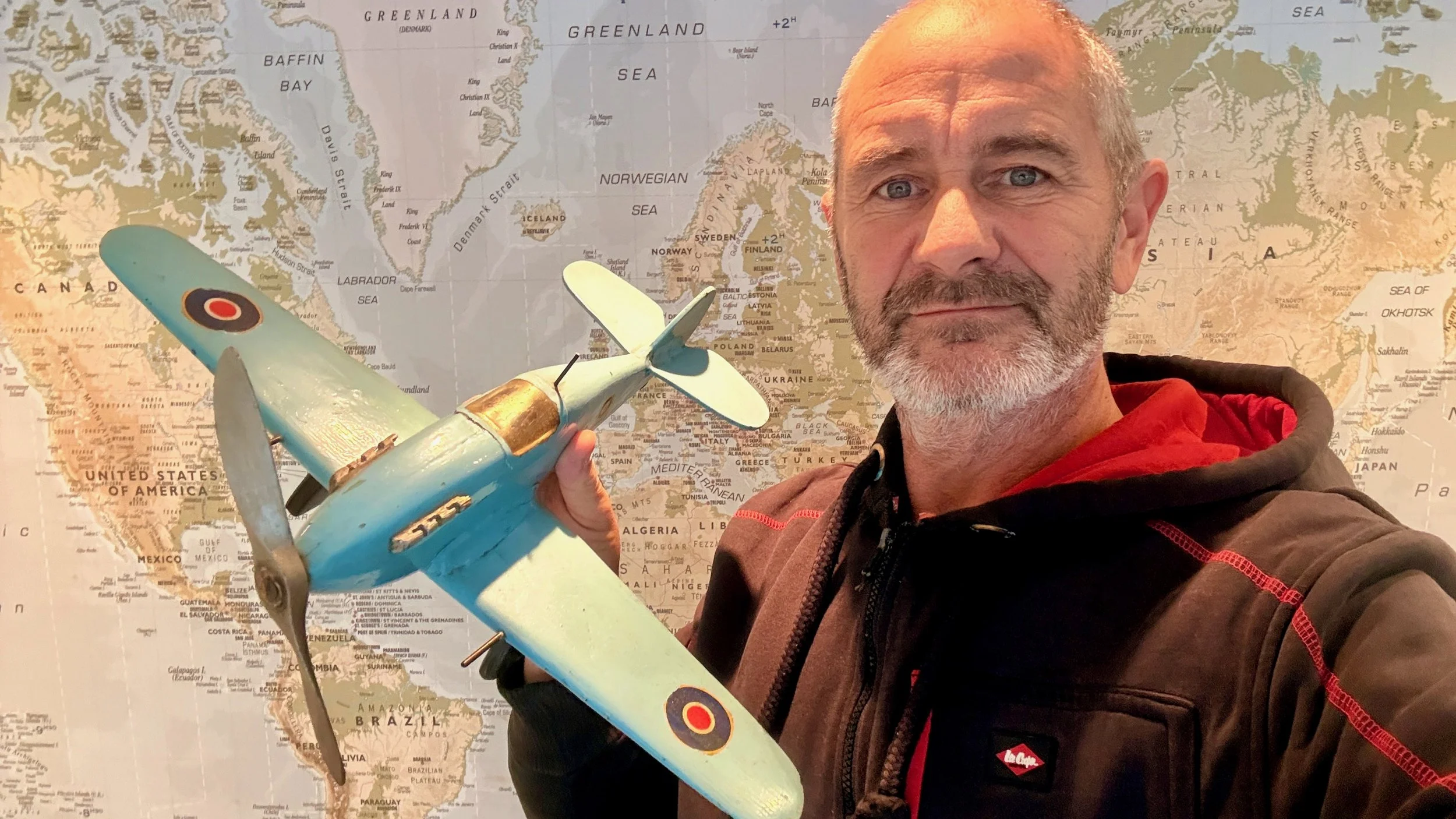
One of my treasured possessions - a wooden Spitfire carved by my Grandad while recovering from “battle fatigue" in WW2
The Pub: A British Front Room
Lip restored to factory settings, we retired to the pub for a quiet pint (not the kids, they were on tequila slammers, obviously). A lone piper played outside under the union flag, and I felt that rare mix of nostalgia and contentment that only comes from being back in old Blighty.
During the war, some bright spark suggested cutting pub hours to boost productivity. Churchill, of course, refused. He understood a village pub isn’t just where people drink; it’s where strangers talk, friendships take root and the community breathes. Close a village pub, and you don’t just lose a watering hole, you lose part of the village’s living memory.
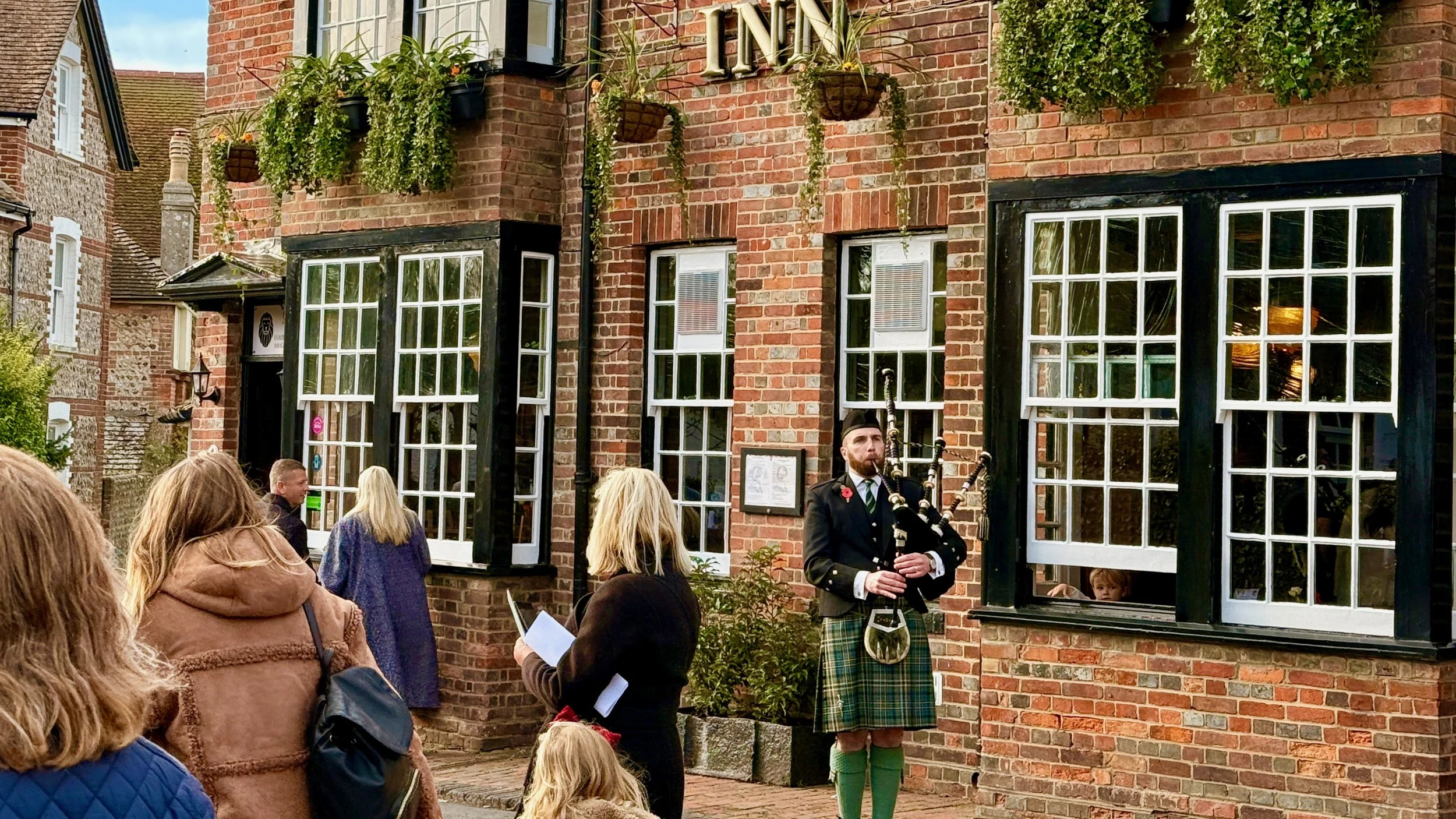
A piper plays outside a the pub where strangers talk, friendships take root and the community breathes
Flying the Colours
Our colours, our British colours, are part of my family’s living memory. We flew our Red Ensign all the way round the world, even through stretches the UKMTO classed as high risk to British vessels and in our case (as a slow, low-freeboard sailboat) warned us we were at severe risk. Somalia, Yemen and even when armed men tried stopping us off Sudan. Out there, with the flag flying behind us, I often thought about where it had been before, turning up in the middle of absolute chaos, offering protection and hope when everything else had gone to hell.
And that small piece of fabric has fluttered behind vessels that genuinely shifted history: Cook’s Endeavour. Darwin’s Beagle. Shackleton’s Endurance. Robin Knox-Johnston’s Suhaili. These weren’t just boats. They were instruments of science, exploration, survival, trade. And above all, symbols of sheer British bloody-mindedness.
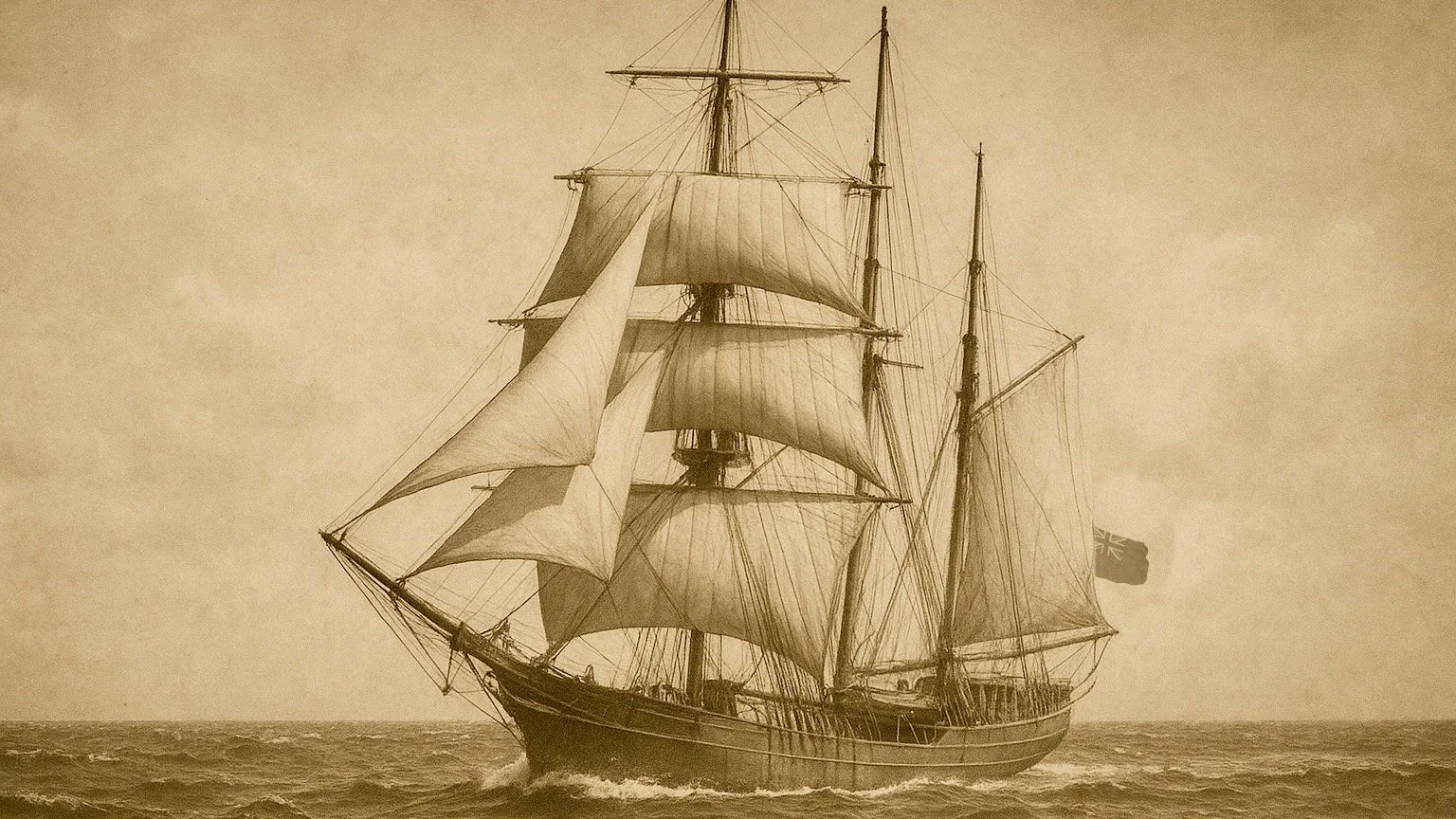
That small piece of fabric has fluttered behind vessels that genuinely shifted history
When the Flag Meant Freedom
During the long nineteenth century (later called Pax Britannica) Britain became the first major imperial power to abolish the slave trade (1807) and then slavery itself (1833), and crucially spent decades enforcing that ban on the open seas. The West Africa Squadron didn’t politely discourage slavers; it hunted them, captured them, burned their ships or sometimes even repurposed them as anti-slave vessels. Tens of thousands of enslaved Africans were freed at the cost of thousands of British lives. If you were chained in the dark below decks, the sight of a British ensign wasn’t a sign of oppression, it meant freedom.
None of this is to pretend Britain’s past was spotless, no nation with a coastline that large or a history that long ever is. But the point is that the flag has carried many stories, and not all of them are the bleak narratives headline writers, educators and national broadcasters have fixated on in the last few decades.
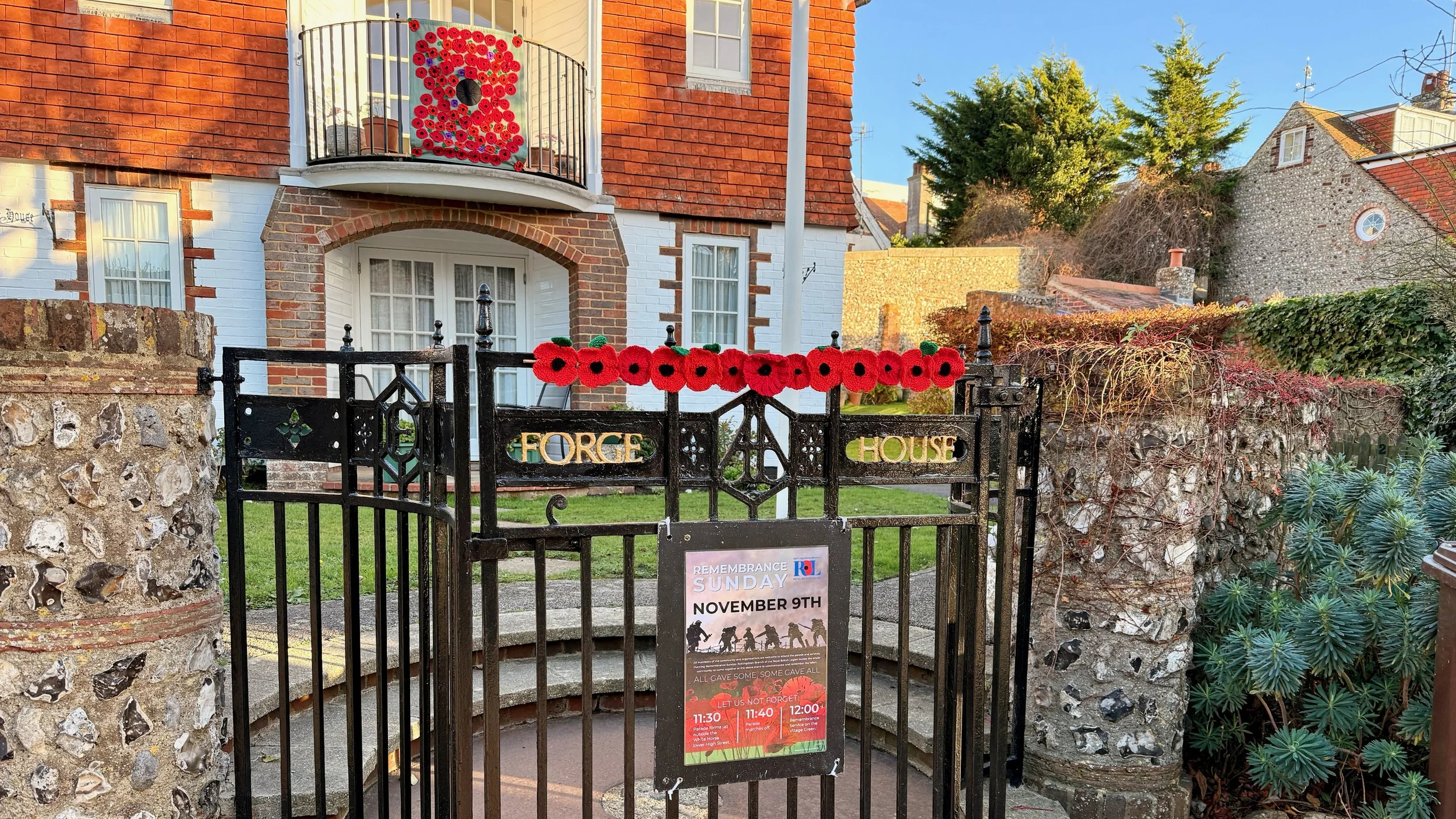
Not all flag stories are the bleak narratives headline writers, educators and national broadcasters have fixated on in the last few decades
A Flag Some Now Shun
It has flown for people who fought, bled and died for those who now claim the Union Flag is beneath them. Which is odd, because for all our faults, the British remain one of the most tolerant peoples on earth. The discomfort around our own flag is something I simply don’t understand.
Churchill once said alcohol had taken less from him than it had given. I agree. Yes, some people abuse it (I certainly have, and I thank God camera phones weren’t around in my youth!) but in the right place, like a quiet pint in a village pub, it brings people together. And the flag does the same.
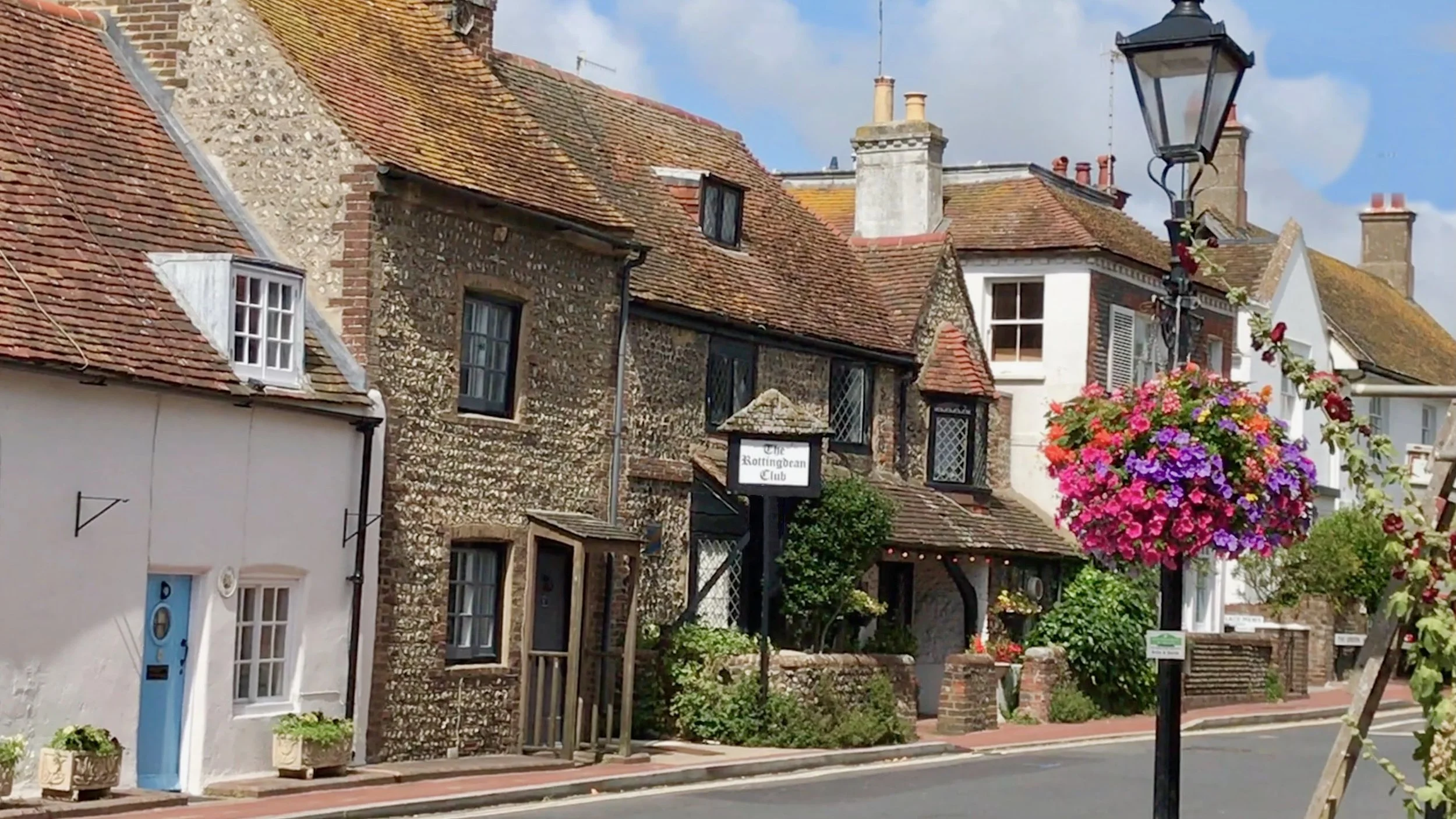
Like a quiet pint in a village pub, the union flag should bring people together
What a Flag Is. And Isn’t
It hasn’t always stood for virtue, and it’s certainly been abused, hijacked and waved by idiots. But bad actors don’t get to own a national symbol, any more than bad drivers get to own the M25. Recognising the value of a flag isn’t nationalism, it’s simply acknowledging the inheritance and culture we all share, whether your family arrived last year or last millennium.
Like the pub, like the church, like every old institution we inherited, it has given us more than it has taken, and at its heart, it remains exactly what it says on the tin: a union.
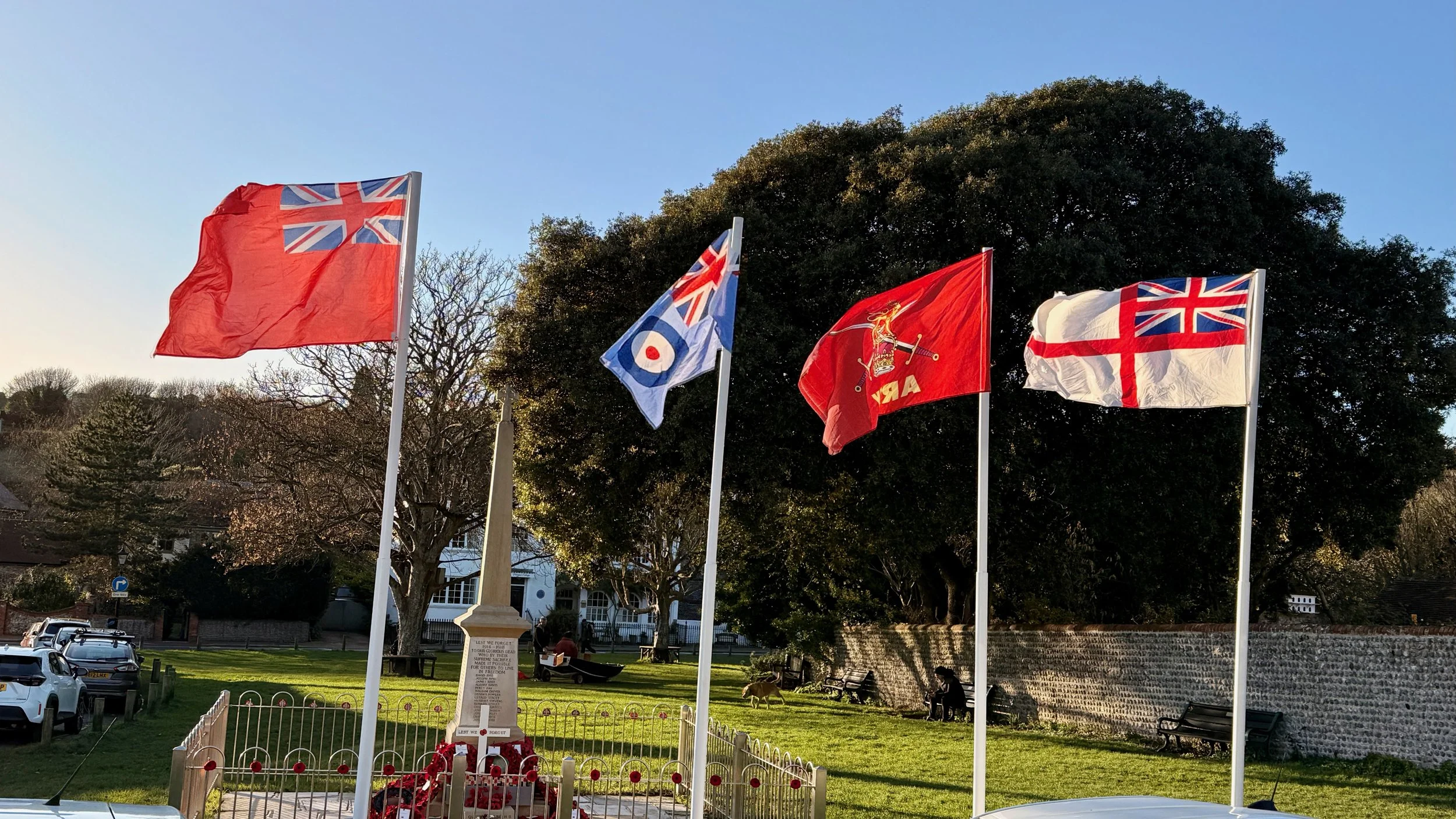
The Union Flag has given us more than it has taken, and at its heart, it remains exactly what it says on the tin: a union
Quiet Gratitude
You don’t need blind faith to value it. Just the humility to recognise that it’s part of our unbroken story, carried by people who faced things we can barely imagine. And every so often, it’s worth pausing, whether in a church pew, at a war memorial, or under a pub’s low beams, to nod at our history with quiet gratitude.
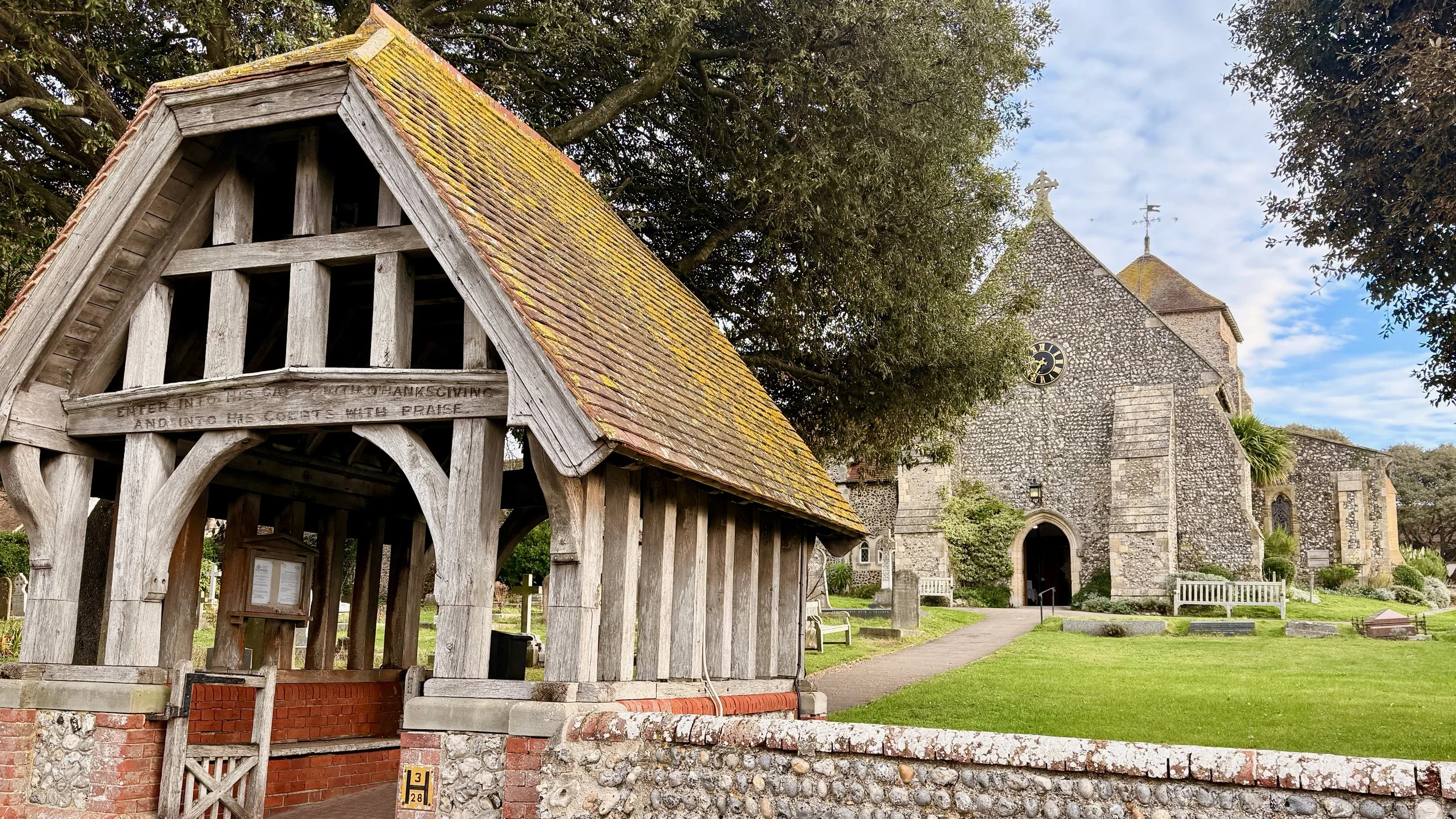
It’s worth pausing, whether in a church, at a war memorial, or a village pub to nod at our history with quiet gratitude.
Because it isn’t just a flag. It’s a reminder of where our culture came from, who held the line before us and, unlike most other countries around the world, why we have the capacity and freedom to argue the toss about it today.
Cheers.

If you want more straight-talking tales from life afloat, and opinions on flags gratitude and naval history, then you’ll love our upcoming book. We're inviting early readers to join the pre-launch crew and get behind-the-scenes access as we wrestle it into shape. It’s honest, unfiltered, and occasionally useful. Sign up here to get involved, give feedback, and be part of something that’ll either be a bestseller or a brilliant cautionary tale.